Author: Writer

  • Statement from the White House

    Statement from the White House

    Listen to audio brief:

    On April 13, 2025, U.S. Special Presidential Envoy Steven Witkoff met with Iranian Foreign Minister Dr. Abbas Araghchi in Muscat, Oman. The discussions, hosted by Omani Foreign Minister Sayyid Badr Albusaidi, aimed to seek diplomatic solutions to the complex issues between the United States and Iran. Both parties expressed optimism regarding the talks and agreed to meet again next Saturday to continue their negotiations.

    Original: article

  • Statement from the White House

    Statement from the White House

    On April 13, 2025, U.S. Special Presidential Envoy Steven Witkoff and U.S. Ambassador to Oman Ana Escrogima held discussions with Iranian Foreign Minister Dr. Abbas Araghchi in Muscat, Oman. The talks, hosted by Omani Foreign Minister Sayyid Badr Albusaidi, were characterized as positive and constructive, emphasizing the role of diplomacy in addressing complex issues between the U.S. and Iran.

    Special Envoy Witkoff communicated President Trump’s instructions to pursue resolution through dialogue, demonstrating a commitment to achieving a mutually beneficial outcome. The United States expressed appreciation to Oman for its facilitation of the discussions, highlighting a collaborative approach to international relations. This meeting exemplifies ongoing efforts to tackle longstanding differences through diplomatic means.

    Both parties agreed to reconvene for further discussions the following Saturday, indicating a readiness to continue the dialogue. This engagement represents a significant step in U.S.-Iran relations, as both sides strive to understand and resolve their differences. The continuation of talks underscores the critical importance of sustained communication in achieving diplomatic progress.

    Original: article

  • Clarification of Exceptions Under Executive Order 14257 of April 2, 2025, as Amended

    Clarification of Exceptions Under Executive Order 14257 of April 2, 2025, as Amended

    Listen to audio brief:

    On April 11, 2025, the White House issued a memorandum clarifying exceptions under Executive Order 14257, which regulates imports to address trade deficits. It specifies that semiconductor products are exempt from additional tariffs and details their classifications under the Harmonized Tariff Schedule. The memorandum also states that any duties collected on these exempt products since April 5, 2025, will be refunded according to standard customs procedures.

    Original: article

  • Clarification of Exceptions Under Executive Order 14257 of April 2, 2025, as Amended

    Clarification of Exceptions Under Executive Order 14257 of April 2, 2025, as Amended

    On April 2, 2025, Executive Order 14257 was enacted to address the U.S. goods trade deficit by imposing additional duties on imports considered a threat to national security and the economy. A recent memorandum clarifies that semiconductors are exempt from these duties, specifying which product classifications qualify for this exemption. Additionally, it states that any duties collected on these exempt semiconductors after April 5, 2025, will be refunded according to the standard procedures established by U.S. Customs and Border Protection.

    The memorandum is directed to key officials, including the Secretaries of State, Treasury, and Commerce, highlighting the collaborative effort within the government to manage trade policies effectively. It emphasizes the significance of semiconductors for both national security and economic stability, reflecting the administration’s focus on strategic sectors in trade negotiations. The clarification aims to provide clear guidelines and ensure compliance with the Executive Order.

    This action underscores the administration’s commitment to regulating trade practices that contribute to significant trade deficits while also protecting critical domestic industries, such as semiconductor manufacturing. By outlining exceptions and necessary modifications to the Harmonized Tariff Schedule, the memorandum seeks to balance the enforcement of tariffs with the need to support domestic economic interests. This initiative is part of ongoing efforts to navigate complex trade relationships, particularly in the context of international competition.

    Original: article

  • Military Mission for Sealing the Southern Border of the United States and Repelling Invasions

    Military Mission for Sealing the Southern Border of the United States and Repelling Invasions

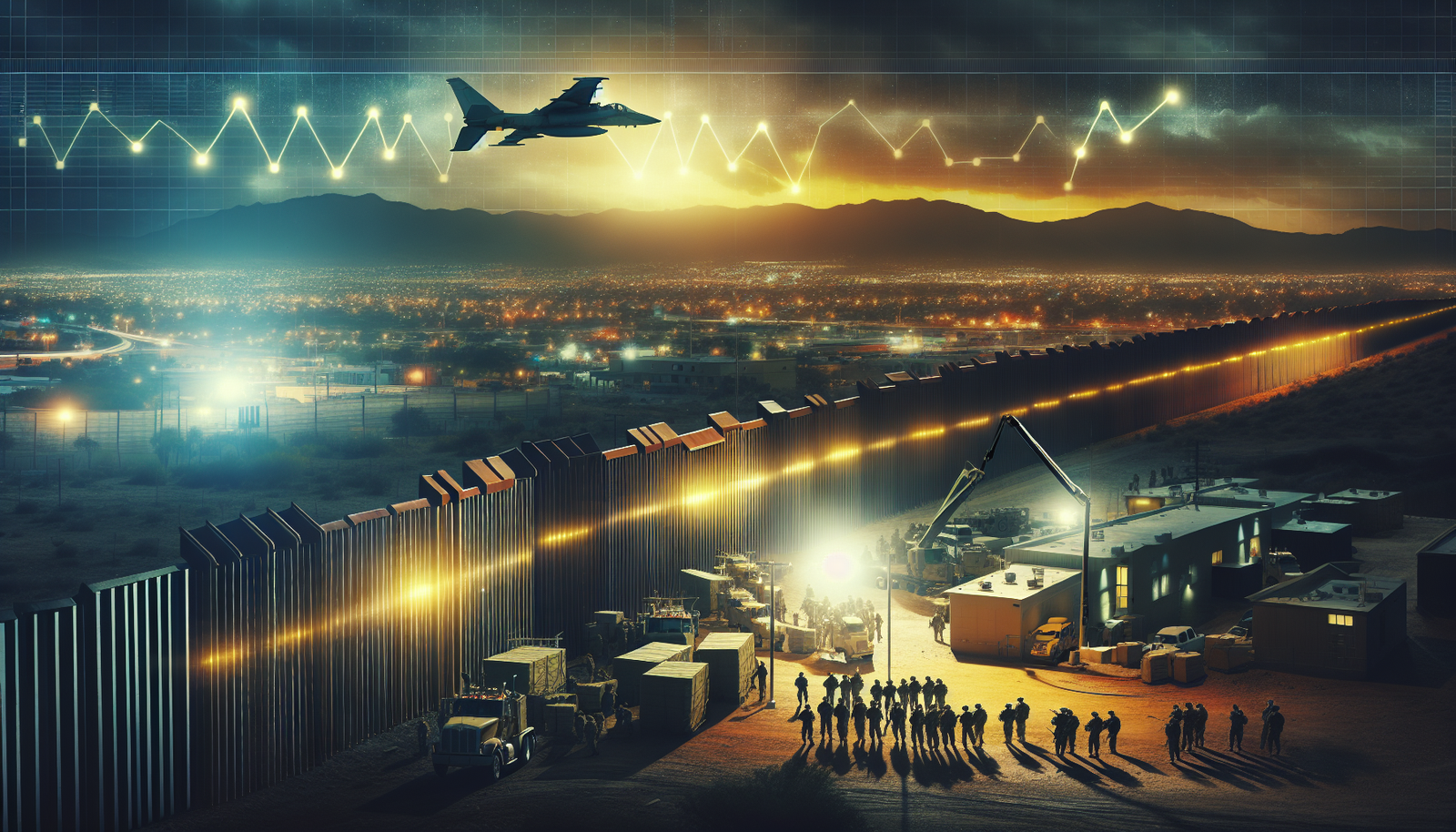
    On April 11, 2025, the White House released a memorandum detailing a military mission aimed at securing the southern border of the United States. The memorandum highlights the necessity for military involvement due to perceived threats and seeks to enhance the border’s integrity, sovereignty, and security. It specifies actions that various executive department secretaries are required to take to support military activities, including the use of federal lands for border security operations.

    The memorandum instructs the Secretary of Defense and other cabinet members to implement this mission in phases, starting with a limited area of federal lands. It permits the construction of barriers and the installation of monitoring equipment while ensuring the safety of military personnel involved in these efforts. The document states that the military’s role must align with existing laws and establishes the framework for jurisdiction over certain federal lands to facilitate these activities.

    In addition to providing operational guidelines, the memorandum clarifies that it does not create any enforceable rights for individuals against the federal government. It emphasizes that military involvement will be carried out in accordance with relevant legal standards and budgetary provisions. Overall, this initiative marks a significant step in the administration’s strategy for border security, reflecting ongoing concerns regarding national safety.

    Original: article

  • Military Mission for Sealing the Southern Border of the United States and Repelling Invasions

    Military Mission for Sealing the Southern Border of the United States and Repelling Invasions

    Listen to audio brief:

    In a recent memorandum, the White House outlined a military mission aimed at securing the southern border of the United States. This initiative, described as necessary to address various threats, involves collaboration among multiple federal departments, including Defense and Homeland Security. The plan highlights the importance of military involvement in border security and details protocols for managing federal lands to ensure the safety and effectiveness of these operations.

    Original: article

  • The State of Play: Why President Trump’s Tariffs Are Necessary

    The State of Play: Why President Trump’s Tariffs Are Necessary

    Listen to audio brief:

    In a recent article, the White House discusses the importance of tariffs during President Trump’s administration to tackle long-standing trade issues. The trade deficit has more than doubled over the past two decades, resulting in significant job losses in manufacturing and adversely affecting communities nationwide. The administration contends that by revitalizing industries in the U.S., it can strengthen national security and create improved job opportunities for American workers.

    Original: article

  • The State of Play: Why President Trump’s Tariffs Are Necessary

    The State of Play: Why President Trump’s Tariffs Are Necessary

    The article discusses President Trump’s rationale for implementing tariffs as a necessary measure to address the significant trade deficit faced by the United States. It highlights that the trade deficit has more than doubled since 2005, resulting in a substantial decline in manufacturing jobs in key states such as New York and Ohio. The article argues that these job losses impact not only the economy but also have adverse social consequences, including an increase in drug overdoses. It advocates for a shift back towards American industry through policies that support domestic production.

    Original: article

  • TRUMP EFFECT: Americans See First Price Relief in Years

    TRUMP EFFECT: Americans See First Price Relief in Years

    Listen to audio brief:

    The recent inflation report indicates a significant shift in consumer prices, marking the first decline in nearly five years. Contributing factors include falling energy prices and a slight decrease in overall consumer costs, providing relief to many households. Economic experts and news sources view this development as a hopeful sign for the American economy, suggesting that current economic policies are having a positive impact.

    Original: article

  • TRUMP EFFECT: Americans See First Price Relief in Years

    TRUMP EFFECT: Americans See First Price Relief in Years

    The recent inflation report released by the White House indicates a notable decline in consumer prices for the first time in nearly five years, signaling a potential easing of economic pressures on American households. The report highlighted a decrease in energy prices, particularly gasoline, which contributed to an overall drop in the Consumer Price Index (CPI) by 0.1% in March. This shift is viewed positively by various economic analysts and media outlets, who suggest that the policies implemented during the previous administration are effective in stabilizing inflation rates.

    Several economists, including members of the Council of Economic Advisers, noted that the core inflation figure is the lowest it has been since March 2021, reflecting significant improvement in price stability compared to previous years. Reports from various news organizations echoed these findings, with many emphasizing that the annual inflation rate has now dropped to 2.4%, a marked improvement from the peaks experienced in earlier years. The consensus among experts is that this trend toward reduced inflation could offer relief to consumers, particularly as it aligns with broader economic growth indicators.

    Overall, the recent data suggests that the combination of declining energy costs and effective economic policy may contribute to a more favorable economic environment for Americans. As the administration prepares to implement further trade measures, this report serves as a crucial milestone in the ongoing discourse surrounding economic performance and consumer confidence. The positive reception of the inflation figures may bolster the administration’s narrative of a recovering economy, reinforcing the impact of their economic strategies.

    Original: article