Category: News

News articles

  • Cancer Control Month, 2025

    Cancer Control Month, 2025

    In April 2025, President Donald J. Trump officially designated the month as Cancer Control Month to recognize the courage of those battling cancer and to honor the memories of those who have lost their lives to the disease. The proclamation highlights concerning trends in cancer diagnoses, noting over 2 million new cases reported last year and an 88 percent increase in adult cancer cases since 1990. In response to this health crisis, the administration has established the Make America Healthy Again Commission to address the causes of chronic diseases and promote innovative medical solutions, including the use of emerging technologies, such as artificial intelligence, in cancer research.

    The administration’s efforts also aim to lower healthcare costs and expand treatment options for patients, stressing the importance of preventive measures and early diagnosis. Americans are encouraged to adopt healthy lifestyles, including balanced diets and regular exercise, to help reduce cancer risks. The proclamation acknowledges the overall decline in cancer death rates and encourages continued support for healthcare professionals dedicated to improving cancer diagnosis and treatment.

    As part of the observance of Cancer Control Month, the President urges the public to participate in programs and activities that raise awareness about cancer prevention and treatment. This initiative reflects a commitment to combat cancer and improve health outcomes for individuals affected by this disease. The administration expresses its determination to find a cure and eliminate the suffering caused by cancer, emphasizing the significance of unity and resilience in the fight against this serious health challenge.

    Original: article

  • U.S. Trade Rep: Under President Trump, Our Manufacturing Renaissance Is Here

    U.S. Trade Rep: Under President Trump, Our Manufacturing Renaissance Is Here

    In a recent article, U.S. Trade Representative Jamieson Greer discusses the impact of President Donald Trump’s America First trade policy on American manufacturing. He points out that previous trade agreements were disadvantageous for the U.S. and resulted in economic difficulties for American workers. The article claims that the current administration is focused on reversing these trends and supporting a ‘Made in America’ initiative to enhance domestic manufacturing.

    Original: article

  • Support Grows for President Trump’s America First Reciprocal Trade Plan

    Support Grows for President Trump’s America First Reciprocal Trade Plan

    President Trump’s Recent Announcement

    President Trump’s recent announcement of an America First reciprocal trade plan has received notable bipartisan support. Key elements of the plan include a universal 10 percent tariff intended to address the effects of globalization on American manufacturing. Various political figures and industry leaders have expressed optimism about the potential of these tariffs to restore fairness in trade, protect domestic jobs, and encourage investment in American industries.

    Multiple stakeholders, including lawmakers and representatives from various sectors, have voiced their support for the new trade policies. They contend that these tariffs will create a level playing field for American businesses by countering unfair trade practices from international competitors. The initiative is viewed as a crucial step in revitalizing the U.S. manufacturing sector and addressing trade imbalances that have adversely affected American workers.

    The administration’s emphasis on tariffs is framed as part of a broader strategy to enhance economic security and independence for the United States. Aiming to reshore jobs and ensure that American workers can compete effectively, the plan has been characterized as a necessary response to decades of trade policies that many believe have favored multinational corporations over local industries. As the implementation of these tariffs progresses, it remains to be seen how they will influence domestic economic conditions and international trade relations.

    Original: article

  • President Trump’s Bold Trade Action Draws Praise

    President Trump’s Bold Trade Action Draws Praise

    In a recent announcement, President Trump outlined his administration’s new trade policies, which include the implementation of reciprocal tariffs. These tariffs aim to create a fairer environment for American manufacturers and protect domestic jobs from foreign competition. Supporters from various industries, including agriculture and manufacturing, have expressed approval, stating that these measures could revitalize the U.S. economy and encourage the return of jobs previously outsourced overseas.

    The Coalition for a Prosperous America and other industry leaders have praised this decision, noting its potential to reshape the global trade landscape and strengthen American economic security. The introduction of these tariffs is viewed as a significant step towards correcting long-standing trade imbalances, particularly with countries regarded as economic adversaries. Officials from various sectors, including steel and agriculture, have voiced their support, underscoring the need for fair treatment of American products and workers in the international market.

    Overall, the administration’s actions are presented as an important move toward restoring American industrial leadership and addressing challenges created by previous trade agreements. The emphasis on tariffs as a strategic economic tool indicates a broader commitment to prioritizing American interests in global trade. This initiative is expected to have significant implications for U.S. economic policy and its relationships with trading partners.

    Original: article

  • Further Amendment to Duties Addressing the Synthetic Opioid Supply Chain in the People’s Republic of China as Applied to Low-Value Imports

    Further Amendment to Duties Addressing the Synthetic Opioid Supply Chain in the People’s Republic of China as Applied to Low-Value Imports

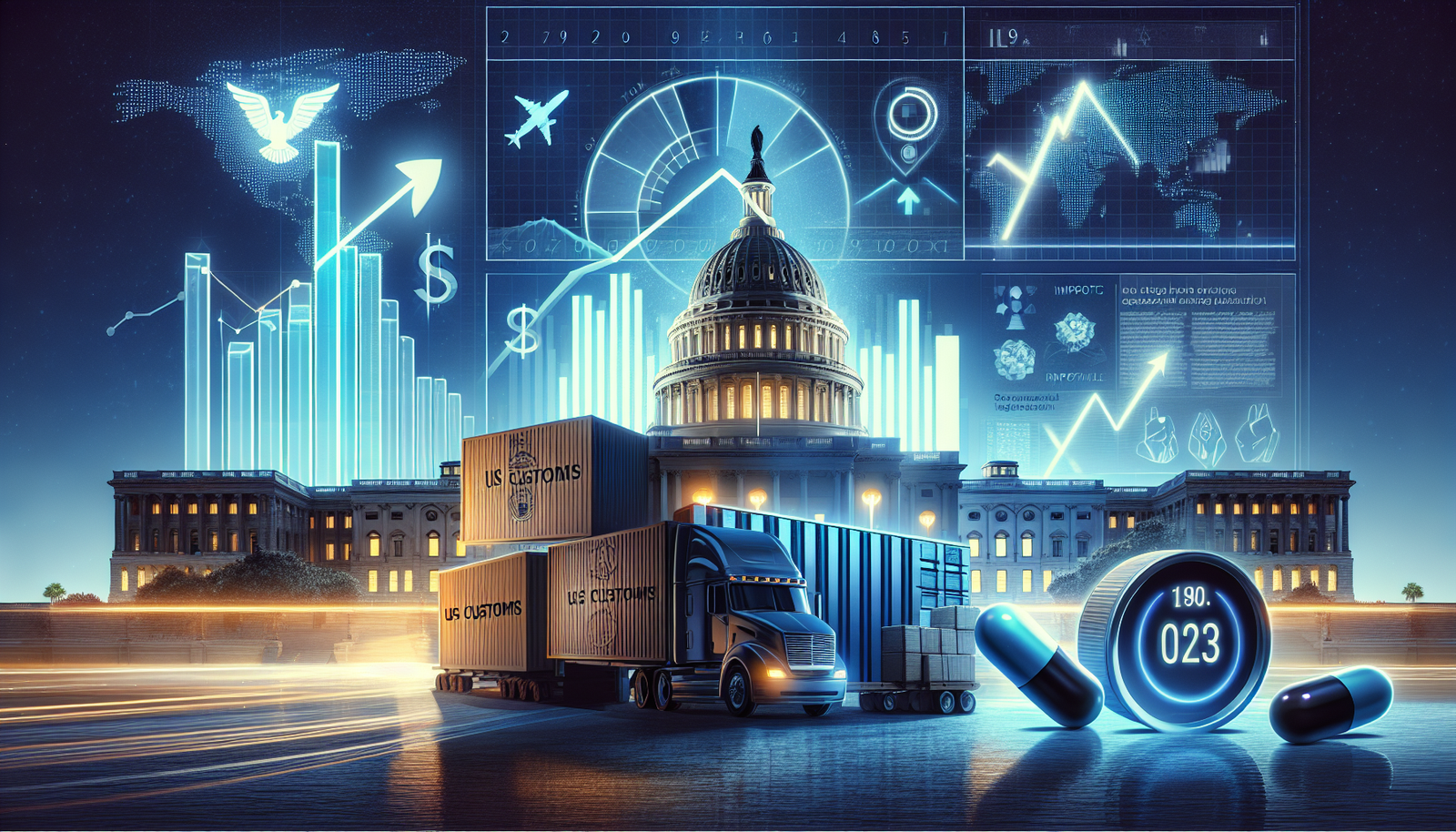
    On April 2, 2025, the White House issued an executive order to amend existing duties on low-value imports from the People’s Republic of China (PRC) in response to the ongoing synthetic opioid crisis in the United States. The order eliminates duty-free treatment for products valued at or under $800 that are shipped from the PRC or Hong Kong. This change aims to address the challenge posed by illicit shipments that often evade detection through deceptive shipping methods.

    The new regulations, effective May 2, 2025, will require these imports to be processed through the Automated Commercial Environment operated by U.S. Customs and Border Protection (CBP). This will ensure that all applicable duties are collected. Specifically, shipments will incur additional duties, including a 30 percent ad valorem duty or a specific duty of $25 or $50 per item, depending on the timing of the import. Transportation carriers will also be responsible for reporting and remitting these duties to CBP, enhancing accountability within the international postal network.

    Additionally, the order mandates a report from the Secretary of Commerce within 90 days to evaluate the impact of these measures on American industries and consumers. This step highlights the administration’s commitment to monitoring the effectiveness of the duties and considering further actions if necessary, including the potential extension of these regulations to packages from Macau. Overall, these amendments aim to strengthen the United States’ ability to combat the influx of synthetic opioids while maintaining the flow of legitimate international trade.

    Original: article

  • Fact Sheet: President Donald J. Trump Closes De Minimis Exemptions to Combat China’s Role in America’s Synthetic Opioid Crisis

    Fact Sheet: President Donald J. Trump Closes De Minimis Exemptions to Combat China’s Role in America’s Synthetic Opioid Crisis

    On April 2, 2025, President Donald J. Trump signed an Executive Order eliminating duty-free de minimis treatment for low-value imports from China and Hong Kong. This decision is part of a broader strategy to combat the synthetic opioid crisis in the United States, exacerbated by the illicit flow of substances like fentanyl through deceptive shipping practices. The changes will take effect on May 2, 2025, requiring all goods valued at or under $800 that typically qualify for the de minimis exemption to be subject to tariffs, with specific rates for postal items.

    The Executive Order addresses challenges faced by U.S. Customs and Border Protection (CBP) with the high volume of de minimis shipments, which exceed 4 million processed daily. Many of these shipments are reportedly used by Chinese companies to conceal illicit drugs, exploiting the exemption to bypass strict import regulations imposed by the U.S. In the previous fiscal year, CBP seized over 21,000 pounds of fentanyl, underscoring the significant threat posed by these substances, which lead to tens of thousands of overdose deaths annually in the U.S.

    This initiative aligns with President Trump’s commitment to tackling drug trafficking and aims to fulfill promises made during his campaign. By increasing tariffs on imports from China, the administration seeks to reduce the flow of synthetic opioids into the country and enhance border security. The Secretary of Commerce is expected to assess the impact of these changes within 90 days, with considerations for extending similar rules to packages from Macau.

    Original: article

  • Regulating Imports with a Reciprocal Tariff to Rectify Trade Practices that Contribute to Large and Persistent Annual United States Goods Trade Deficits

    Regulating Imports with a Reciprocal Tariff to Rectify Trade Practices that Contribute to Large and Persistent Annual United States Goods Trade Deficits

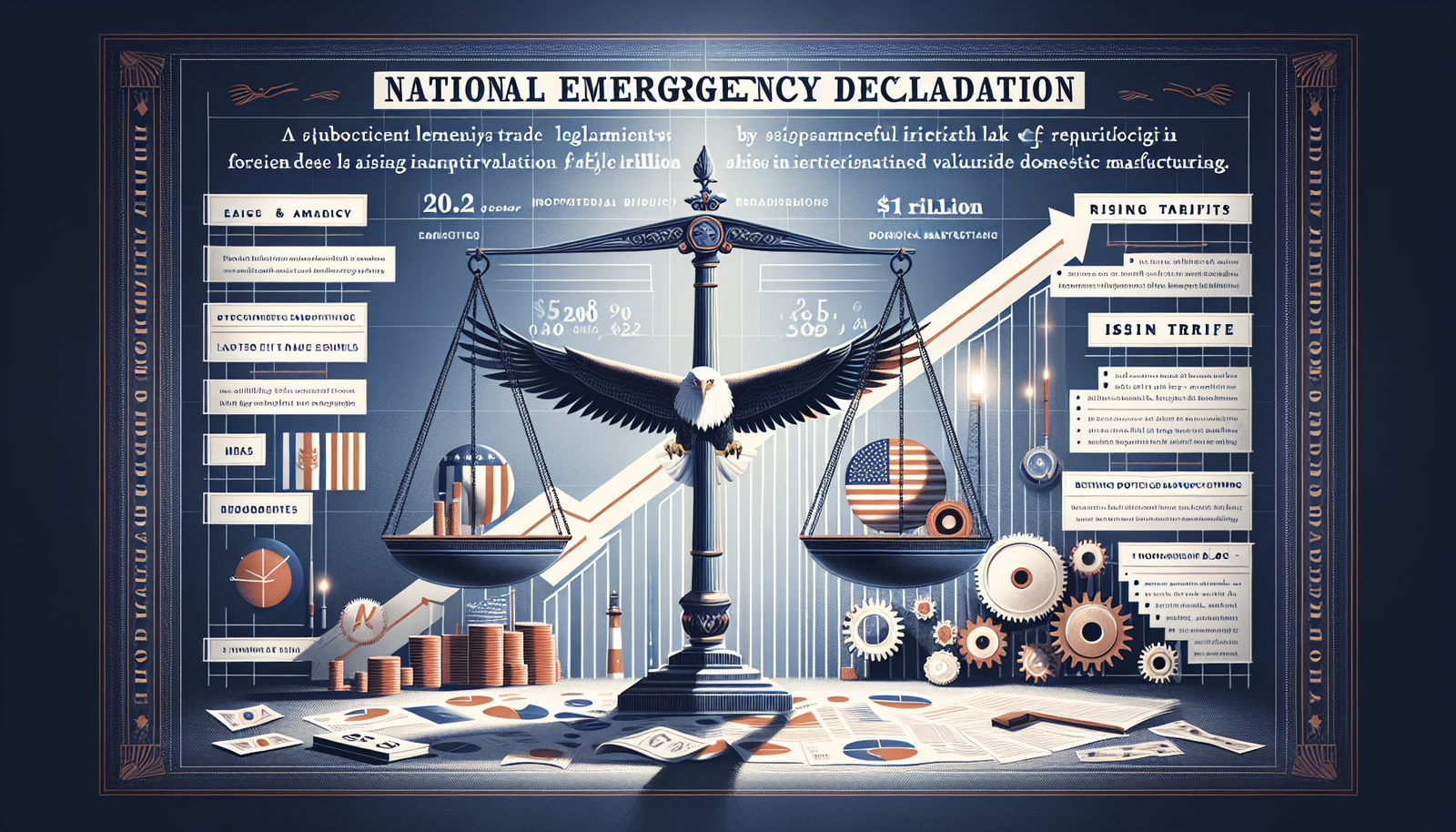
    On April 2, 2025, President Trump declared a national emergency regarding the substantial trade deficits faced by the United States, which reached $1.2 trillion in 2024. The administration pointed to a lack of reciprocity in trade agreements and unfair practices by foreign trading partners as significant factors contributing to this economic challenge. In response, the President ordered the introduction of reciprocal tariffs, starting with an additional 10% duty on imports from all trading partners, aiming to rebalance trade flows and revitalize domestic manufacturing.

    The article provides historical context for U.S. trade policy, highlighting the long-standing principle of reciprocity that has been compromised in recent years. It notes that U.S. manufacturers encounter considerable barriers in foreign markets, including higher tariff rates and non-tariff barriers that hinder competitiveness. The administration’s measures are intended to rectify these imbalances, creating a more favorable environment for American businesses and ensuring national economic security.

    Moreover, the administration stresses the urgent need to enhance domestic manufacturing capacity, particularly in sectors critical to national defense and economic stability. The decline in U.S. manufacturing jobs, which has seen a loss of approximately 5 million positions since 1997, is identified as a pressing issue linked to the trade deficits. By increasing tariffs on imports, the government aims to protect and revitalize the industrial base, ensuring that the U.S. remains competitive in the global market.

    Original: article

  • Fact Sheet: President Donald J. Trump Declares National Emergency to Increase our Competitive Edge, Protect our Sovereignty, and Strengthen our National and Economic Security

    Fact Sheet: President Donald J. Trump Declares National Emergency to Increase our Competitive Edge, Protect our Sovereignty, and Strengthen our National and Economic Security

    On April 2, 2025, President Donald J. Trump declared a national emergency

    On April 2, 2025, President Donald J. Trump declared a national emergency in response to significant trade deficits that he argues have weakened the U.S. economy and compromised national security. The declaration invokes the International Emergency Economic Powers Act, allowing the implementation of a 10% tariff on all countries, with higher tariffs on those nations with which the U.S. has large trade deficits. The tariffs aim to address unfair trade practices, encourage domestic manufacturing, and promote reciprocity in trade relationships. The administration asserts that these measures are necessary to protect American workers and ensure economic sovereignty.

    The administration highlights that the U.S. has faced disadvantages in international trade, including higher tariffs and non-tariff barriers imposed by other countries. For instance, U.S. tariffs on passenger vehicles are significantly lower compared to those of the European Union and India. By imposing these tariffs, the Trump administration aims to create a level playing field for American businesses and reduce the trade deficit, which exceeded $1.2 trillion in 2024.

    Moreover, the White House emphasizes the need to revitalize the domestic manufacturing sector, which has experienced a decline in output and jobs over recent decades. The administration claims that maintaining a robust manufacturing base is essential for national security, especially in critical sectors such as defense and technology. Overall, the tariffs and trade policies are presented as a way to restore America’s competitive edge in the global market and foster economic growth for American workers.

    Original: article

  • World Autism Awareness Day, 2025

    World Autism Awareness Day, 2025

    On April 2, 2025, the President of the United States issued a proclamation recognizing World Autism Awareness Day. In this statement, he acknowledged the notable increase in autism spectrum disorder (ASD) diagnoses, which now affect 1 in 36 children, a significant rise from much lower rates in the 1980s. The President expressed gratitude to families and communities supporting individuals with ASD and highlighted the importance of early detection and intervention to improve the quality of life for those affected.

    The proclamation detailed the administration’s commitment to addressing the rising prevalence of autism through initiatives such as the Make America Healthy Again Commission. This commission is responsible for investigating the root causes of health issues, particularly childhood disorders like autism. The President’s administration aims to enhance research, transparency, and support for families to ensure that all Americans, including those with ASD, have opportunities to thrive.

    In concluding the proclamation, the President called upon all Americans to learn more about autism, recognize its signs, and understand the challenges faced by individuals with this disorder. He emphasized the collective responsibility to empower those with autism to reach their full potential and to assist them in navigating the challenges they may encounter. The proclamation serves as a reminder of the ongoing support and respect for individuals with autism and their families.

    Original: article

  • Tariffs Work — and President Trump’s First Term Proves It

    Tariffs Work — and President Trump’s First Term Proves It

    Positive Impacts of Tariffs During Trump’s First Term

    The article discusses the positive impacts of tariffs implemented during President Trump’s first term, asserting that they contributed to a stronger U.S. economy. A 2024 study indicated that these tariffs resulted in significant reshoring of manufacturing jobs and increased U.S. production, particularly in the steel industry. Reports from various economic institutions suggest that these tariffs did not correlate with inflation and led to increased investments in domestic steel production, creating thousands of jobs.

    During Trump’s first term, steel imports decreased significantly, and state officials credited tariffs for revitalizing local economies, especially in Minnesota. The Economic Policy Institute noted improvements in U.S. steel output and investment in new facilities, suggesting that tariffs created a favorable environment for domestic manufacturing. Additionally, despite initial fears of a trade war and economic downturn, evidence in the article indicates that the tariffs have effectively stimulated economic growth and job creation.

    The article also references criticisms from media outlets regarding the implementation of tariffs, highlighting concerns about potential negative economic consequences, such as increased prices for consumers and retaliatory trade actions. However, it argues that the outcomes have been largely positive, with major U.S. steel companies increasing their investments and hiring. Overall, the article presents tariffs as a strategic tool that has reportedly yielded benefits for American workers and industries.

    Original: article